APPTWARE Lab
Data Warehousing & Lakehouse Solutions
Apptware builds enterprise data warehouse architecture that unifies structured and unstructured data into one high-performance system your teams can actually query fast. Whether that means a warehouse, a lakehouse, or a hybrid of both depends on what the data looks like and how it needs to be accessed, not a default architecture applied to every engagement.
PROVEN IMPACT
What clients see once we ship.
40%
Data accuracy with automated validation
35%
Reduction in manual processing time
50%
Faster data integration across systems
Trusted by enterprises
Building what's next



THE DATA WAREHOUSING PROBLEM
Most storage problems get discovered when queries slow down, not before
A warehouse rarely fails outright. It just gets slower, quarter over quarter, until a report that used to take seconds takes minutes.

Schema Designed for Day One, Not Year Three
A schema that worked fine at launch starts fighting the query patterns teams actually developed once the warehouse was in daily use.

Storage Costs That Grow Faster Than the Data
Without tiering or optimization, storage costs scale linearly with data volume, even for data nobody queries anymore.

No Monitoring Until Something Breaks
Query performance degrades gradually, and without monitoring in place, nobody notices until a dashboard times out during a leadership review.
WHAT WE BUILD
Storage capabilities, built around how your data actually gets used
Our data warehousing and lakehouse services can run end-to-end, from architecture design to a fully optimized system, or upgrade the storage layer you already have.
Enterprise Data Warehousing
Scalable, enterprise data warehouse architecture for structured data, built for fast, secure access to the volume your reporting and analytics workloads actually run at.
Lakehouse Architecture
Hybrid models that combine a data warehouse's reliability with a data lake's flexibility, so structured and unstructured data don't need two separate systems.
ETL & ELT Pipelines
The pipelines that keep the warehouse or lakehouse current, extracting, transforming, and loading data on the schedule the business actually needs.
Real-Time Data Processing
Instant data updates for workloads where a nightly batch load isn't fast enough.
Multi-Cloud & On-Premise Solutions
Flexible deployment, cloud, on-premise, or both, sized to what your infrastructure actually requires, not a single vendor's default.
Data Security & Compliance
Encryption and governance built into the storage layer, so compliance isn't a separate project bolted on afterward.
HOW WE WORK
Our data warehousing and lakehouse process
Here's how a data warehousing or lakehouse engagement actually turns a strained storage layer into a system your teams can rely on, phase by phase.
Assessment & Strategy Development
Current data structures, query patterns, and growth projections get analyzed before any architecture decision gets made, so the warehouse or lakehouse strategy fits what the business actually needs, not a generic reference design.
DELIVERABLES
- Current-state storage and query pattern audit
- Data volume and growth projection report
- Warehouse vs. lakehouse vs. hybrid recommendation
- Defined success metrics for query performance
- Security and compliance requirements review
- Prioritized implementation roadmap
Our Methodology
Why validation is non-negotiable for data warehousing
A warehouse architecture that looks right on a whiteboard can still fall over under real query volume. Every data warehousing and lakehouse engagement we run tests the architecture against real data and real query patterns before it's treated as done.

Validated Against Real Query Volumes, Not Estimates
Performance gets measured against actual usage patterns, so query speed holds up once real teams start running real reports.

Growth Planned For, Not Discovered
Data volume projections get built into the architecture from the start, so scaling doesn't mean a rebuild eighteen months in.

Business Query Patterns First, Elegant Schema Second
A schema that's technically clean but doesn't serve the reports people actually run gets reworked, not shipped as done.

Tuning Built Into the Timeline
Each phase closes with a decision on what to optimize next, so performance doesn't quietly decay as the warehouse fills up.
DATA ENGINEERING PRACTICE
Storage architecture, engineered to stay fast after launch
Most of the risk in a data warehousing project isn't the initial build, it's whether query performance still holds up once the warehouse has years of data in it. Getting that wrong is expensive to fix once every team's dashboards are already built on top of it.
Those calls get made deliberately, as part of the architecture, not discovered after queries start timing out.

Reproducible Schema Changes
Every schema and pipeline change is versioned, so a slow query's root cause isn't a mystery the first time someone asks what changed.

Performance Monitoring by Design
Query performance and storage cost monitoring is scoped in at build time, not added after teams start complaining about slow dashboards.

Partitioning & Indexing Standards
Data gets partitioned and indexed for the query patterns identified during assessment, not a default configuration.

Performance Benchmarking
Architecture gets load-tested against real data volumes and concurrent query loads, not a small demo dataset.

Documentation
Every schema, partitioning, and architecture decision is recorded, so the reasoning behind the design doesn't live in one engineer's head.

Compliance Readiness
For regulated industries, data residency and access-control requirements get built into the architecture from the start, not discovered during a pre-launch review.
TECHNOLOGY STACK
Leading technologies behind our ETL pipelines
The stack isn't fixed. Data volume, query patterns, and existing cloud commitments decide the tools, not a default template.
Snowflake / BigQuery / Redshift
The warehouse layer, chosen by query pattern, existing cloud footprint, and cost model.
Managed cloudApache Spark / Airflow
Processing and orchestration for the pipelines that keep the warehouse or lakehouse current.
Batch and streamingDatabricks / Delta Lake
Lakehouse architecture for teams that need warehouse reliability with data lake flexibility.
AWS · Azure · GCPdbt
Transformation logic layered on top of the warehouse, version-controlled and testable.
SQL-basedNo vendor lock-in. Stack selection is driven by data volume and latency needs, not our default template.
Storage & File Formats
Visualization
Cloud & DevOps

THE ROI CASE
The business value delivered by data warehousing and lakehouse solutions
The payoff doesn't show up in the architecture diagram. It shows up in how fast a dashboard loads and how much less the storage bill grows year over year.

Faster query response times across reporting and analytics

Lower storage costs from optimized architecture

Reduced engineering time spent firefighting slow queries

Higher data accessibility across teams that used to wait on IT

Scalable storage that grows with data volume instead of against it

Shorter time from new data source to queryable dataset

Lower total cost of ownership than a patchwork of point solutions

A single source of truth teams can build dashboards on with confidence
Vertical Focus
Storage architecture built for how each industry actually runs
The right warehouse or lakehouse design depends on what the data represents and who's regulating access to it. Healthcare, BFSI, and manufacturing carry storage requirements a generic architecture wasn't built to handle.
Clinical and operational data, stored to standard

- HIPAA-compliant warehouse architecture for clinical data
- Unified patient records across disconnected EHR systems
- Query-optimized storage for population health reporting
- Data residency controls for sensitive health records
Transaction data, stored for scrutiny
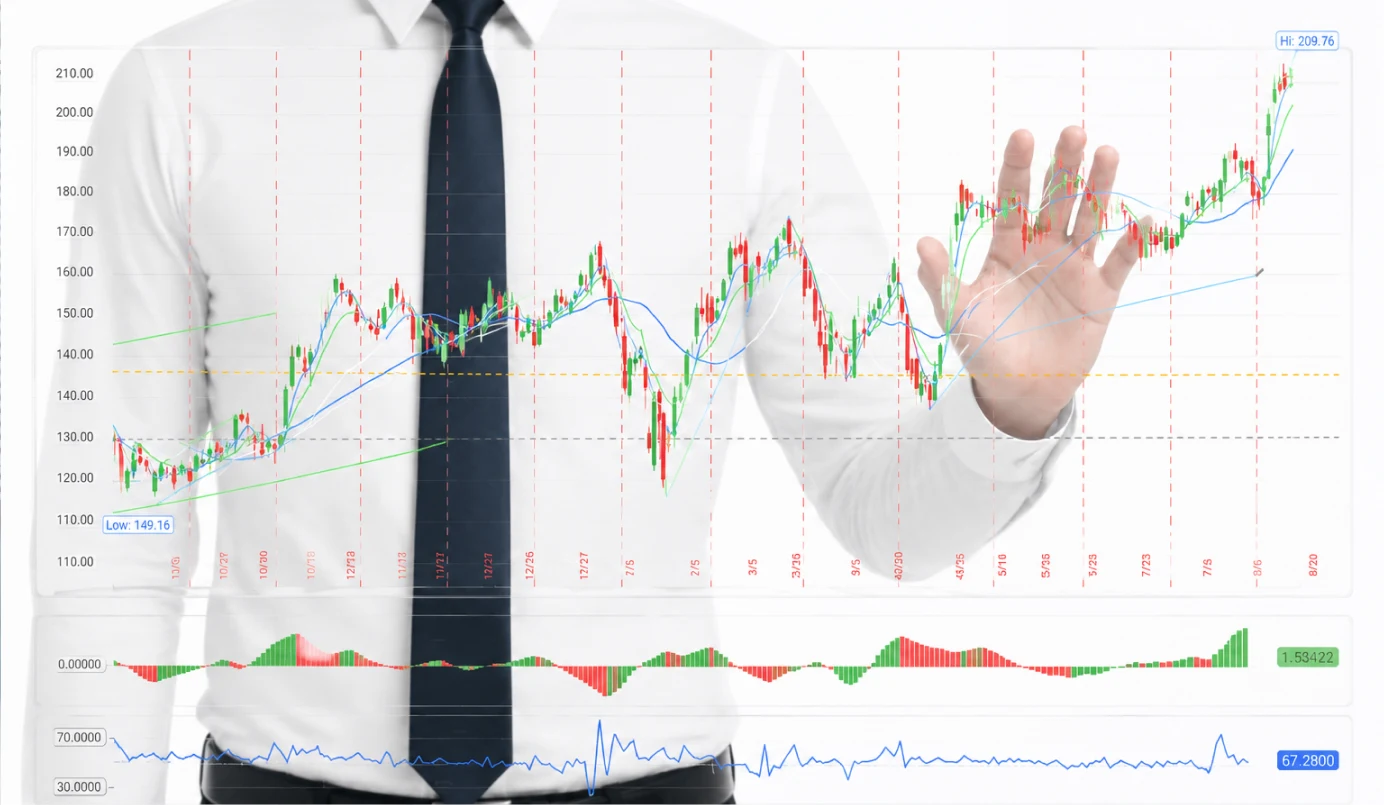
- High-throughput warehousing for trading and portfolio systems
- Lakehouse architecture for both structured accounts and unstructured documents
- Audit-ready storage for regulatory reporting
- Query performance built for real-time fraud detection lookups
Fleet and manufacturing data, unified at scale

- Telematics data warehousing from connected vehicle fleets
- Lakehouse storage for both structured sales data and sensor logs
- Cross-dealer data consolidation for network-wide reporting
- Parts and inventory storage optimized for supply chain queries
Shop-floor data, stored for real-time queries
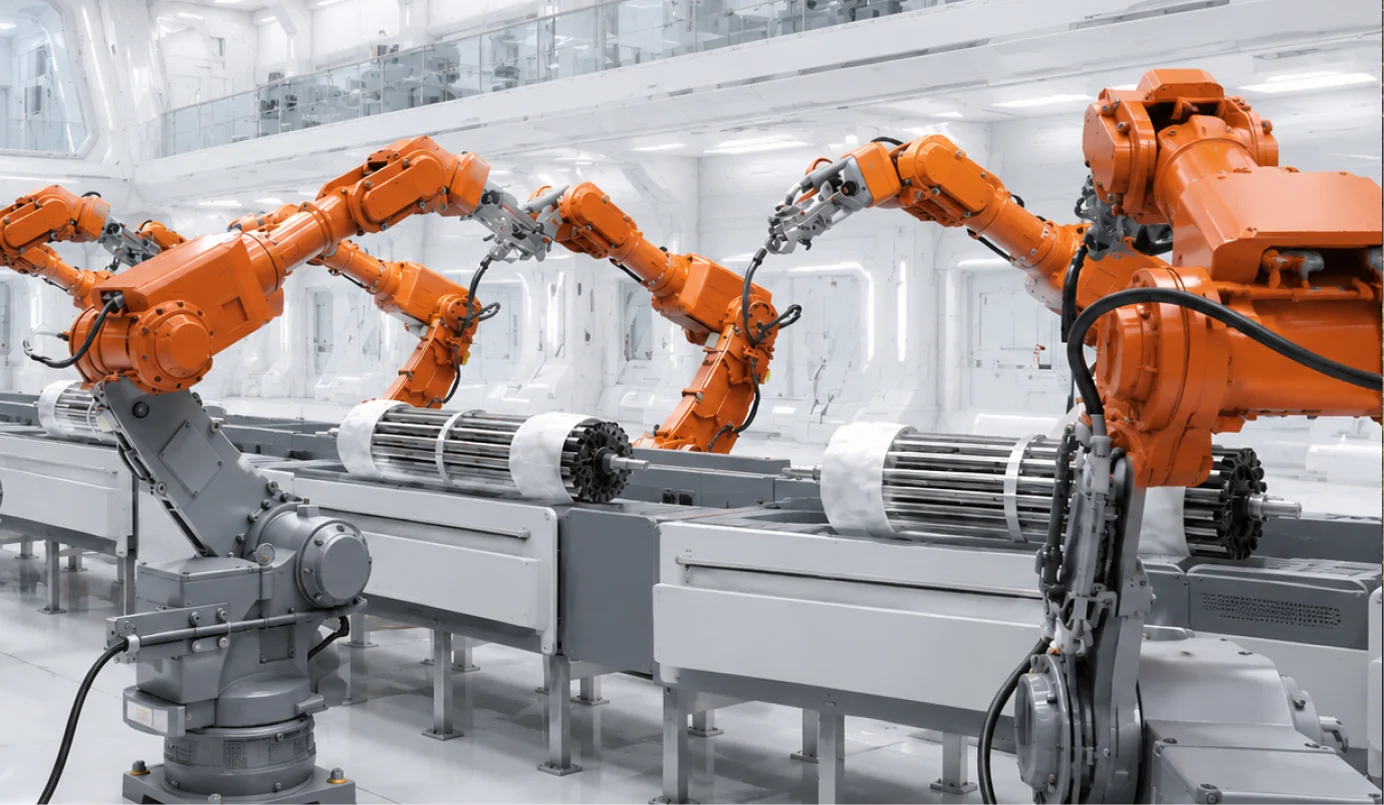
- High-volume sensor data storage from production lines
- Supply chain data warehousing across plants and suppliers
- Query-optimized storage for yield and downtime reporting
- Lakehouse architecture for structured ERP data and unstructured logs
Field and seasonal data, stored for scale

- Lakehouse storage for field sensor data and satellite imagery
- Seasonal data warehousing across growing regions
- Query-optimized storage for yield and weather-driven models
- Cost-efficient archival storage for historical seasonal data
Demand data, stored down to the SKU level
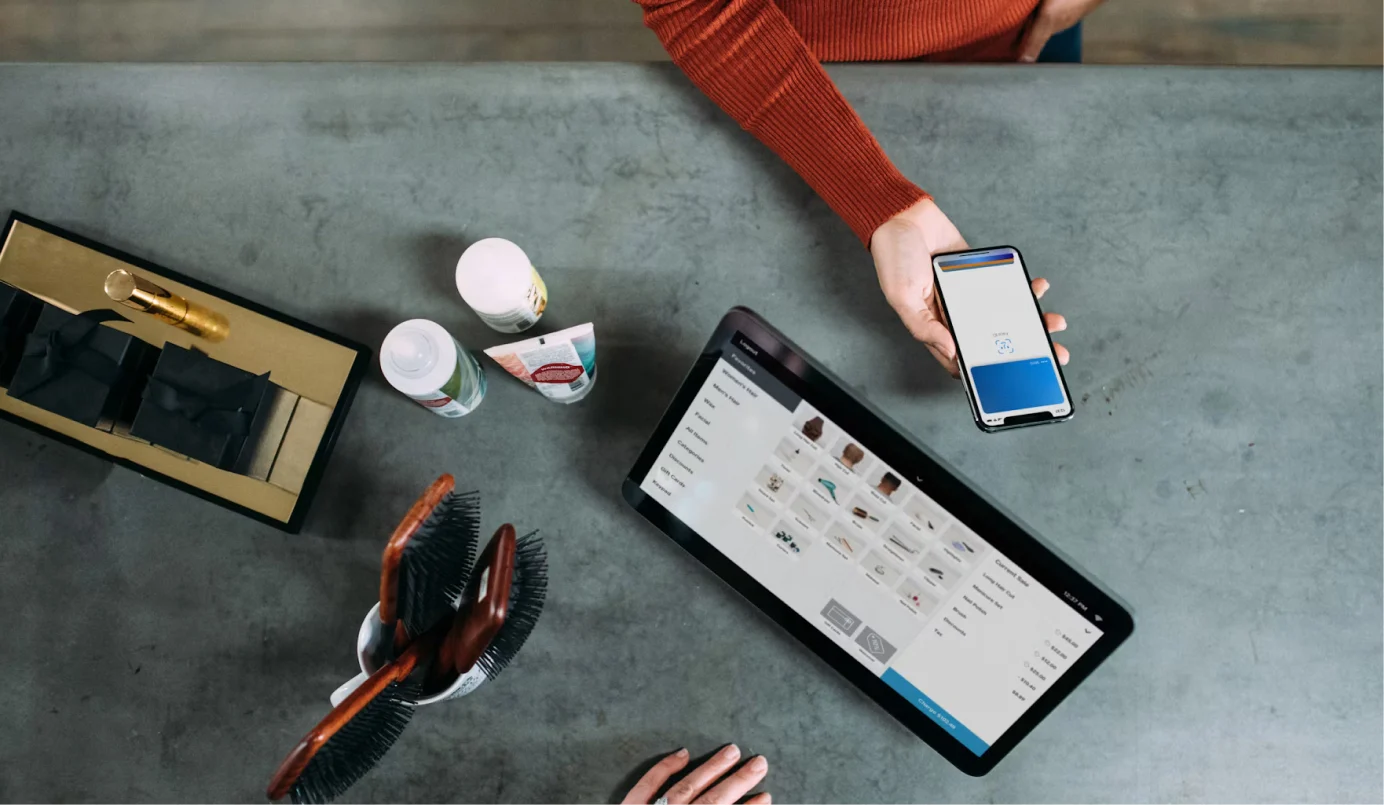
- High-throughput warehousing for point-of-sale and inventory data
- Lakehouse storage for structured transactions and unstructured customer data
- Query-optimized storage for real-time inventory dashboards
- Cost-efficient storage tiering for historical sales data
THE DATA WAREHOUSING PROBLEM
Most storage problems get discovered when queries slow down, not before
A warehouse rarely fails outright. It just gets slower, quarter over quarter, until a report that used to take seconds takes minutes.
Schema Designed for Day One, Not Year Three
A schema that worked fine at launch starts fighting the query patterns teams actually developed once the warehouse was in daily use.
Storage Costs That Grow Faster Than the Data
Without tiering or optimization, storage costs scale linearly with data volume, even for data nobody queries anymore.
No Monitoring Until Something Breaks
Query performance degrades gradually, and without monitoring in place, nobody notices until a dashboard times out during a leadership review.
WHY US
What makes Apptware a data warehousing and lakehouse partner
Plenty of teams can stand up a warehouse that works on day one. What matters is whether it still performs once the data has grown for three years, and that shows up in how the engagement is built, not just in the first demo.
01
Fixed-Scope Discovery
Whether you engage us for a warehouse migration alone or a full lakehouse build, the discovery phase is scoped upfront, what gets evaluated, how long it takes, and what you'll have in hand at the end.
02
Working Pipeline, Fast
You'll have a working warehouse or lakehouse running real queries within the first few weeks, not a diagram describing what the architecture might eventually look like.
03
Validation at Every Phase
Feedback from one phase shapes the scope of the next. If early performance testing changes the plan, the roadmap changes with it, mid-project, not just at a single review gate.
04
Support After Launch
A deployed warehouse still needs monitoring and tuning as data volume grows. Our team stays on to track performance and ship the optimizations it points to.

Apptware Solutions' work helped the client improve their time-to-market. The team retained all core resources throughout the contract. Apptware Solutions assigned a project manager to oversee the tasks and timelines. The team was proactive in communicating and responding to the client.




Get Started
Ready for a storage layer that
keeps up with your data?
Tell us where queries are slowing down. Whether you need a warehouse migration or a full lakehouse build, we'll run the data feasibility check, map out the architecture and timeline, and give you a real cost estimate before any development work starts.
 No-cost discovery audit
 100% IP ownership
 No commitment required
 US & India presence
FAQ'S
Straight answers to what prospective clients ask most before committing to a discovery phase.
A warehouse is optimized for structured, query-ready data. A lakehouse adds the flexibility to store unstructured data too, combining a data lake's scale with a warehouse's reliability. Which one fits depends on what your data actually looks like.
Let's talk about the data that isn't syncing yet
Need expert guidance on connecting the systems that aren't talking to each other? Spend 45 minutes with our data engineering team. They'll audit your current sources, benchmark what a pipeline build would take, and return a roadmap with timeline and cost, within 5 business days, no commitment.
 USA
 INDIA



Got a similar challenge?
Queries running slower as your data grows?
Let's talk about what Apptware can build for you.